
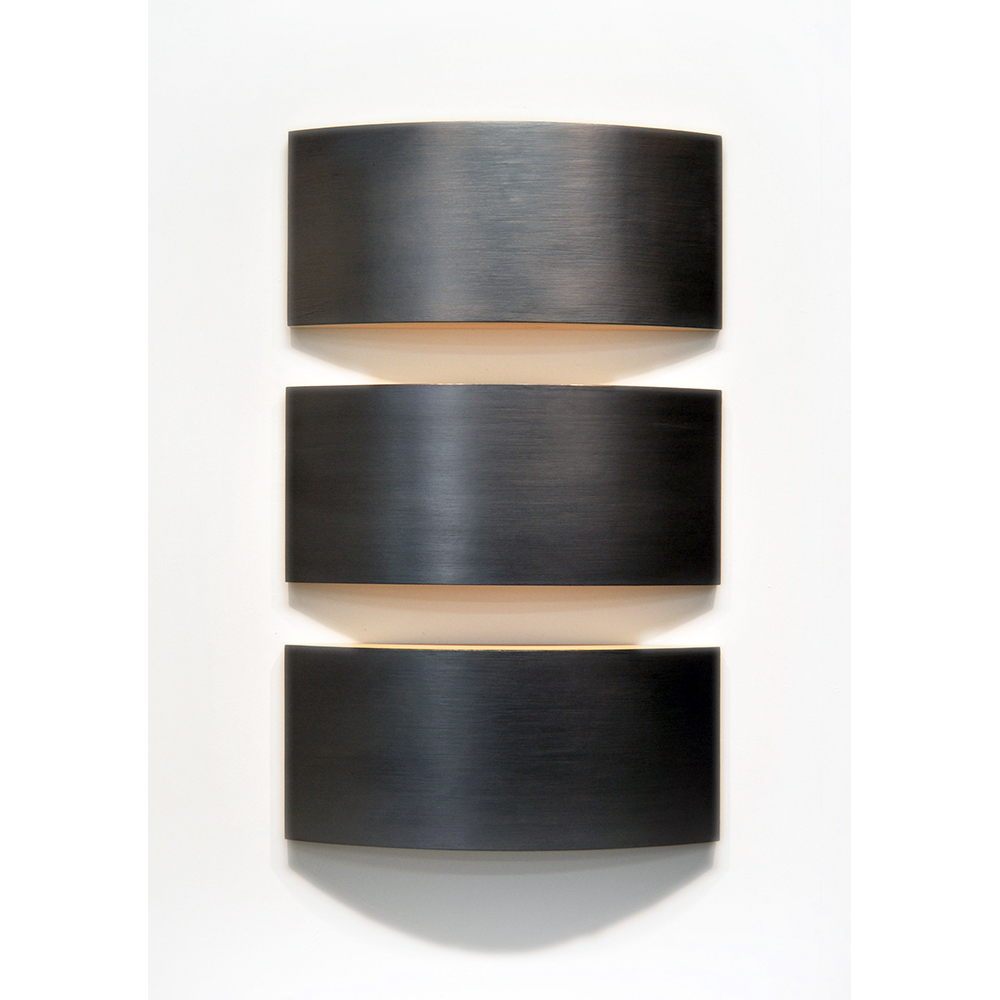
What is thoughtful collecting?
Happy spring and happy art collecting as seasons turn warmer! At Turner Carroll Gallery, we are enjoying our Hunt Slonem: Family Portraits exhibitions and preparing for a fantastic week at the Dallas Art Fair. Tonya Turner Carroll has the honor of speaking at the Dallas Collecting Panel at Park House on Monday, April 13, where she will speak with some of the nation’s top collectors about thoughtful collecting. We’re sharing some of that advice and collecting expertise in this newsletter.
Tickets are sold out to the collecting panel, but you can still get on the waitlist! You are also invited to contact the gallery if you would like a complementary ticket to the Dallas Art Fair from April 16 to 19.
What is thoughtful collecting? Thoughtful collecting combines a collector’s desire and personal connection to an artwork with the expertise and art history knowledge of a gallerist or other art expert. At this intersection, the value of an artwork comes to life.
A collector’s connection to a work of art can come from many places, as many as the different effects art has on our psychology; it moves us in a way beyond words, allows for creative and original thoughts, new ideas, and the ability to step inside someone else’s world. It can remind us of unique personal joys or meaningful experiences, or it can spark inspiration and action in our lives.
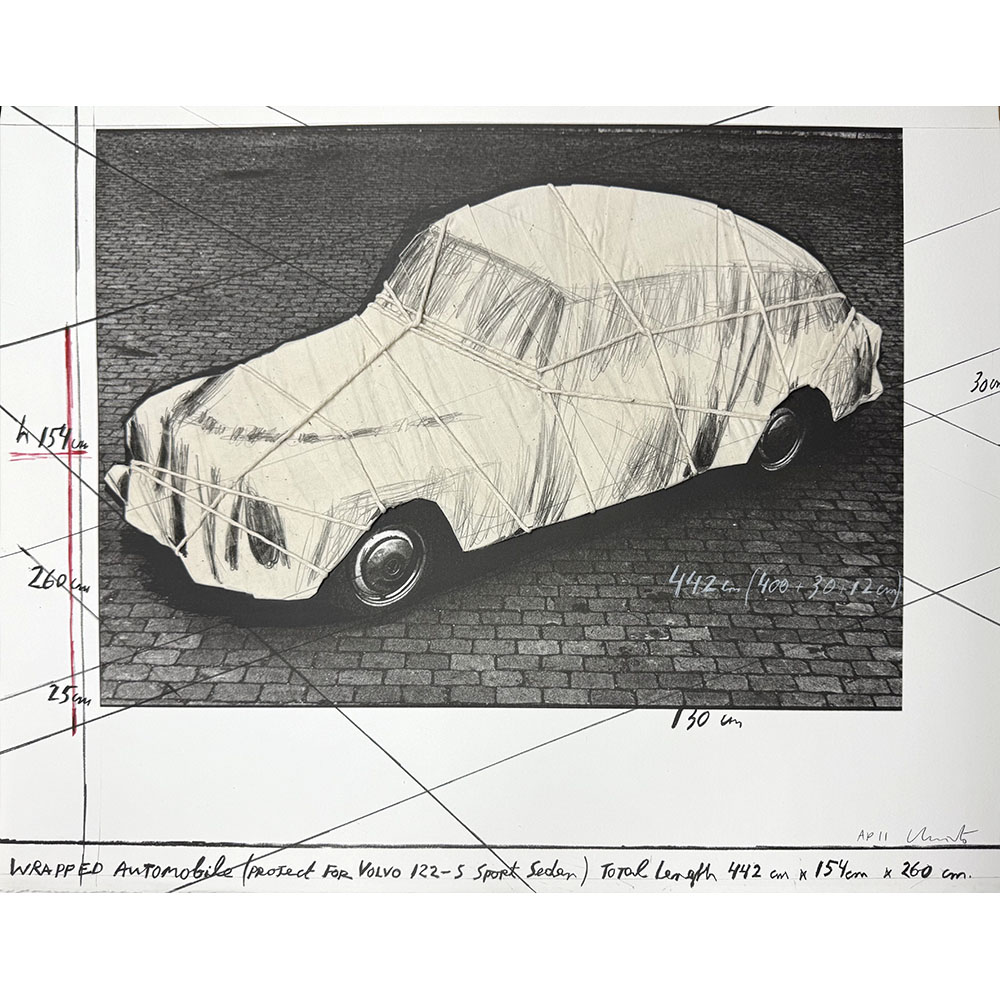
An art professional adds context and additional value to the art we feel drawn to. When a gallerist or curator who is trained in art history and knows art markets is added to the collection process, artworks become even more valuable as they are placed in conversation with aesthetic and cultural currents, adding historical and conceptual context to our positive responses.
After a collector acquires the artwork they love, this art historical context helps inform where we want to place the piece. Which visual conversations do you want the work to have? Do you want to place it in your home for daily inspiration and energy? Do you want to loan it, permanently or temporarily, to a museum for collective education that broadens the conversation? Do you want to make a promised gift that has current financial benefits? When collectors make decisions about where to place their works, they engage in cultural philanthropy that builds legacy and provenance for the artist and value for themselves–in other words, a win-win!

Deaccession is the last step in the relationship between the collector and the artwork. Finding a future home for your collection after you pass is incredibly important–talk with your loved ones early to make a plan about dividing your collection, and connect with art experts who have a wide breadth of knowledge and museum relationships. Promised gifts and donations to museums are time-intensive and strategically complicated: finding the collection and museum that fits your work contextually is the key to a successful gift, as museums are judicious about assuming responsibility for additions to their specific collections. Connecting with gallerists and appraisers who have art historical expertise and museum relationships as early as possible in your collecting career ensures the best possible placement for your cherished and culturally valuable works upon deaccession.
Turner Carroll Gallery has a team of art historians and certified appraisers who are here to help with public placements, deaccession, and other strategic collecting consultations. We have built our knowledge, experience, and network over 35 years in the art world, and we are excited to share our expertise with you and create the best collecting experience possible.
Author: Sophie Carroll