

Caledonia Curry, recognized internationally by her street art name Swoon, fundamentally shifted street art in the 21st century. Widely known as the most popular female street artist of the century, Swoon began anonymously wheatpasting her intricately detailed paper-cut portraits of everyday people onto the industrial walls and abandoned buildings of New York City in the early 2000s. After gaining notoriety in New York, Swoon completed larger and larger projects, eventually building a fleet of rafts named Swimming Cities of Serenissima which she sailed into the Venice Biennale of 2009. This action cemented her name in art history, and since then Swoon has collaborated with international art icons including Shepard Fairey, Alicia Keys, and Swizz Beatz. The foundational concept behind Swoon’s work is the power of art to heal and transform darkness into light–a message that resonates with art lovers now more than ever.
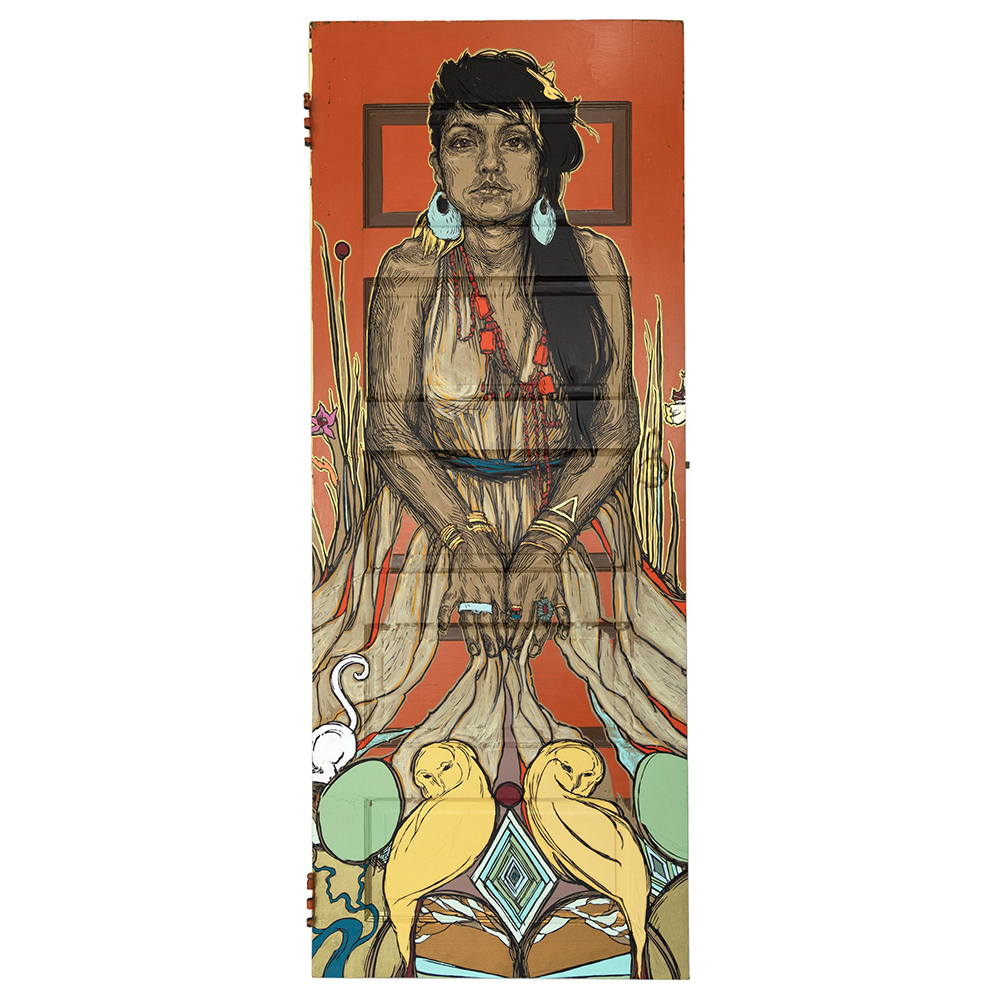
Swoon’s signature works are life-size figurative prints created from hand-carved wood and linoleum blocks, or by meticulously cutting multiple layers of paper. She often pastes these prints on unconventional materials including recycled doors, brick walls, or other multi-layered, multimedia surfaces with hand-embellished variations. Her subjects are often everyday people—friends, family, and those overlooked or marginalized within the urban fabric—rendered with a raw, emotional intensity. Swoon’s subjects often relate to her own history–born in 1978 and raised in Florida, Swoon’s early life was marked by her parents’ struggles with addiction, experiences that would later deeply inform her empathetic, community-focused art practice.
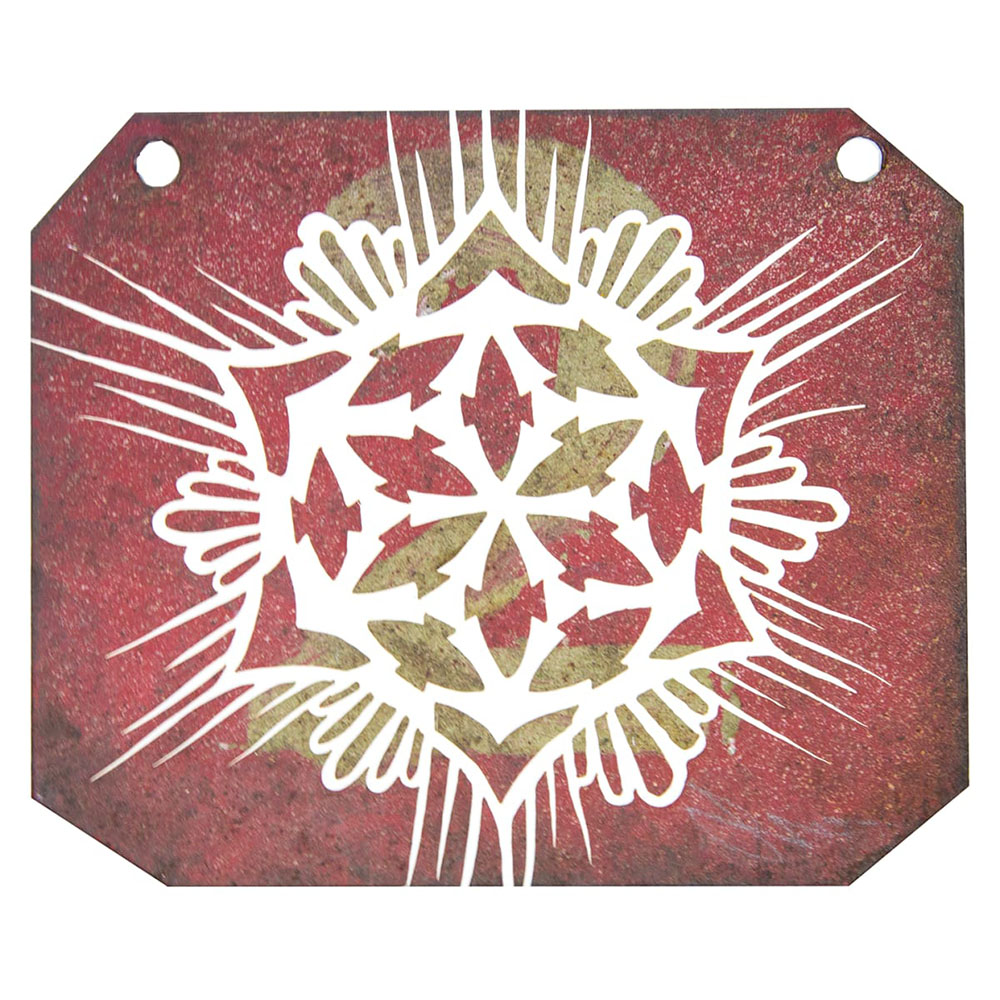
Another iconic set of Swoon’s work are her eidophones. Eidophones use the artists most iconic imagery in harmony with three dimensional found objects that have a deeper significance–for example, found material from the 2024 floods in Thailand, pieces of past installations, or doors or other household items from social activism centers where Swoon has worked. The inspiration for the imagery comes from the artist’s experience of her mother’s passing: when Swoon’s mother died, she experienced visual and auditory sensations emanating from the deep connection of “shared death” which she visually translates in her eidophones. Swoon explains the history of her eidophones in this video by the Taubman Museum.
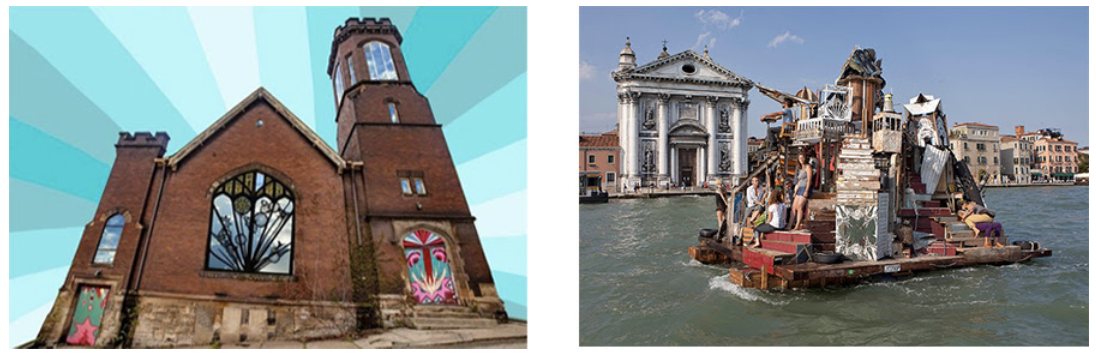
Swoon is also renowned for ambitious, large-scale social activism projects. These include the Miss Rockaway Armada and the Swimming Cities of Serenissima, fleets of homemade art rafts which travelled respectively down the Mississippi river and into the Venice Biennale. After the 2010 Haiti earthquake, Swoon founded the Heliotrope Foundation to support more community-based endeavors, and created the Konbit Shelter project for sustainable building in Haiti as well as the Transformazium, a community revitalization project in Braddock, Pennsylvania. In Braddock, Swoon bought and renovated a church which hired local young people to learn ceramic fabrication, and the community eventually turned the building into a rehabilitation center.
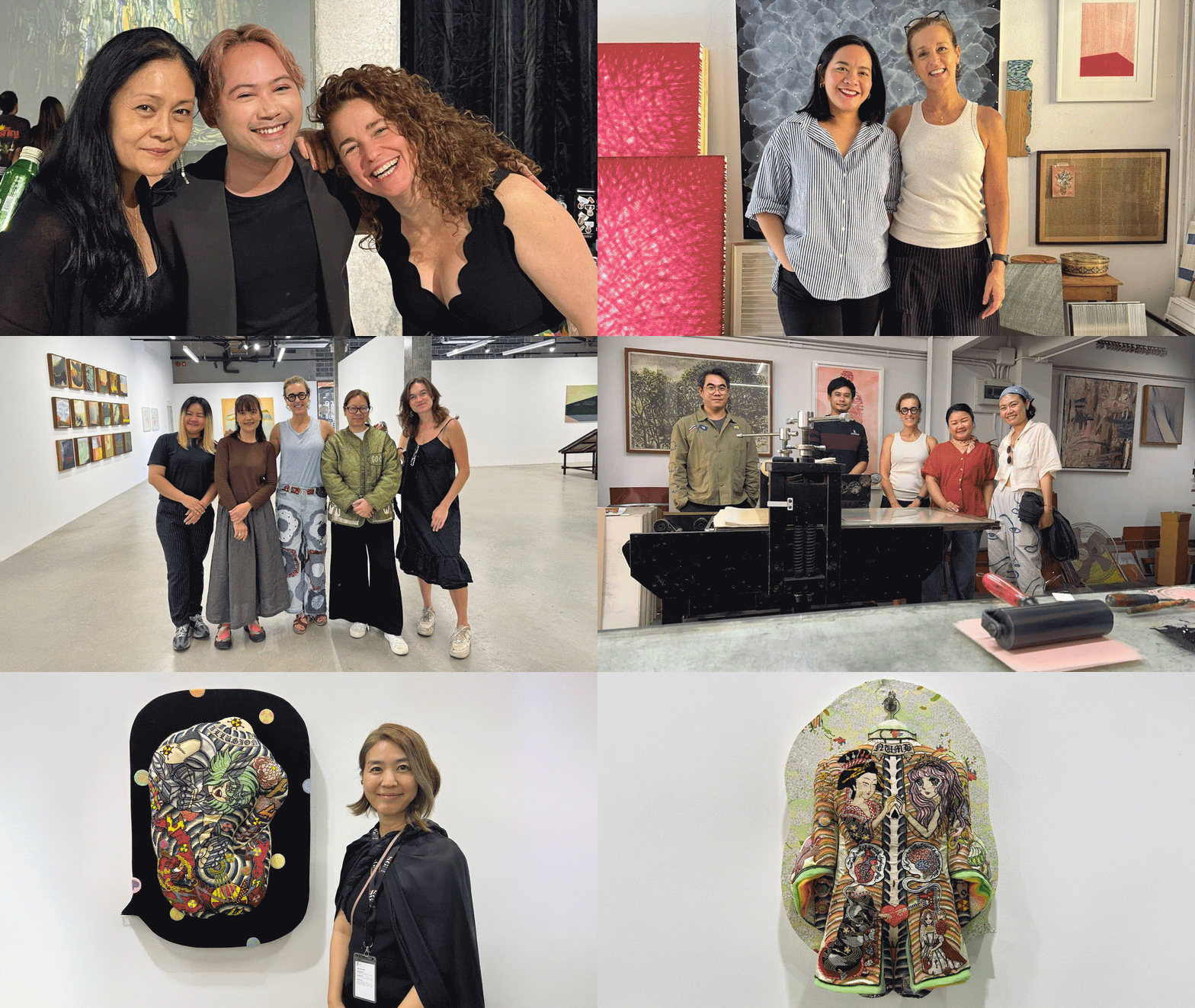
Turner Carroll and SAC Gallery in Thailand for Swoon’s major solo exhibition in Bangkok
The past year has been one of the biggest in Swoon’s career. She was chosen as the featured artist of the Boston Triennial, and debuted her first solo show in Asia at SAC gallery in Bangkok. Swoon’s stunning work has been exhibited in iconic museums including the Tate Modern, Metropolitan Museum of Art, Brooklyn Museum, Mass MoCA, Skissernas Museum (Sweden), MIMA Contemporary Museum (Brussels), and more.
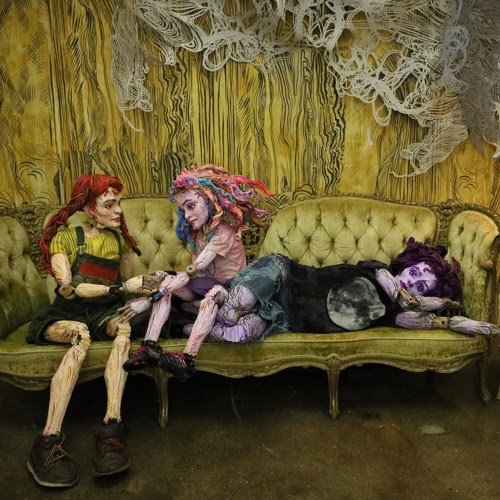
With a solo residency at the University of Wyoming and a recently completed feature in the Boston Bienniel, Swoon has entered a dynamic and rapidly rising era of her career. Follow along with us as she works on her newest project, a story world called Sibylant Sisters inspired by Curry’s childhood in Florida. The Sibylant Sisters universe includes a stop motion film to be premiered at festivals around the world and an oracle deck among other exciting developments.
Author: Sophie Carroll