
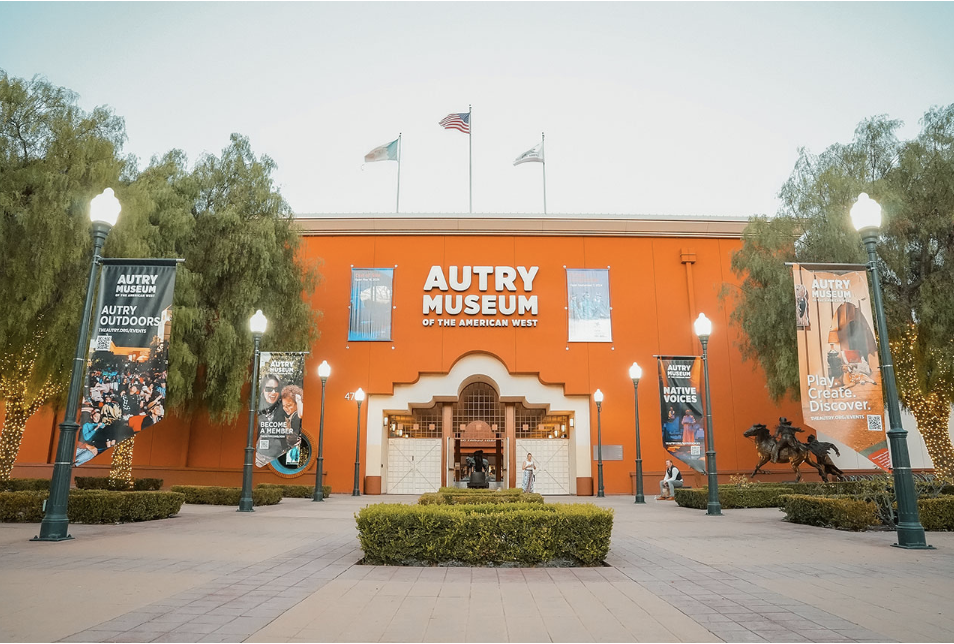
Autry museum
[CONTAINER] is excited to share that our current featured artist, the renowned Virgil Ortiz, is featured in the major museum exhibition Future Imaginaries at the Autry Museum. This exhibition delves into the emergence of futurism in modern Indigenous art as a method of addressing colonial trauma, envisioning alternative times to come, and advocating for Indigenous technologies in a more inclusive present and sustainable future. The exhibition features over 50 artworks offering unexpected connections and conversations between contemporary Indigenous works and the Autry Museum’s historical collection.
Virgil Ortiz will bring his own odyssey, ReVOlt 1680/2180, to life in a new, site-specific installation for his contribution to the Future Imaginaries exhibition. By intermingling science fiction, self-determination, and Indigenous technologies across a diverse array of Native cultures, Future Imaginaries envisions sovereign futures while countering historical myths and the ongoing impact of colonization, including environmental degradation and toxic stereotypes. This landmark regional event explores the intersections of art and science from both past and present.
If you are in LA, make sure not to miss the exhibition Future Imaginaries: Indigenous Art, Fashion, Technology. This show runs September 7, 2024 to June 21, 2026 at the Autry Museum in Griffith Park, 4700 Western Heritage Way, Los Angeles, CA 90027.

Few artists have had as much influence on contemporary Native art as Virgil Ortiz. His work transcends time, culture, and imagination, and draws on his Pueblo heritage to bring new life to centuries-old histories. At the heart of his creations is the 1680 Pueblo Revolt, a significant but often overlooked moment when Native communities in the American Southwest rebelled against Spanish colonization, successfully driving out the Europeans for 12 years. Ortiz transforms this historic event into a living mythology for the future by blending colonial history with sci-fi storytelling.
Imagine a figure wearing a metallic cloak, sleek black patent leather boots, a chrome morion helmet, holding a sword with defiance and grace. This isn’t a character from a fantasy world but a reinterpretation of Indigenous resistance by Ortiz. He transforms the traditional story of the Pueblo Revolt into a futuristic, post-apocalyptic epic that cannot be easily categorized. In his hands, the Revolt symbolizes historical rebellion and timeless resilience across centuries and imagined worlds.
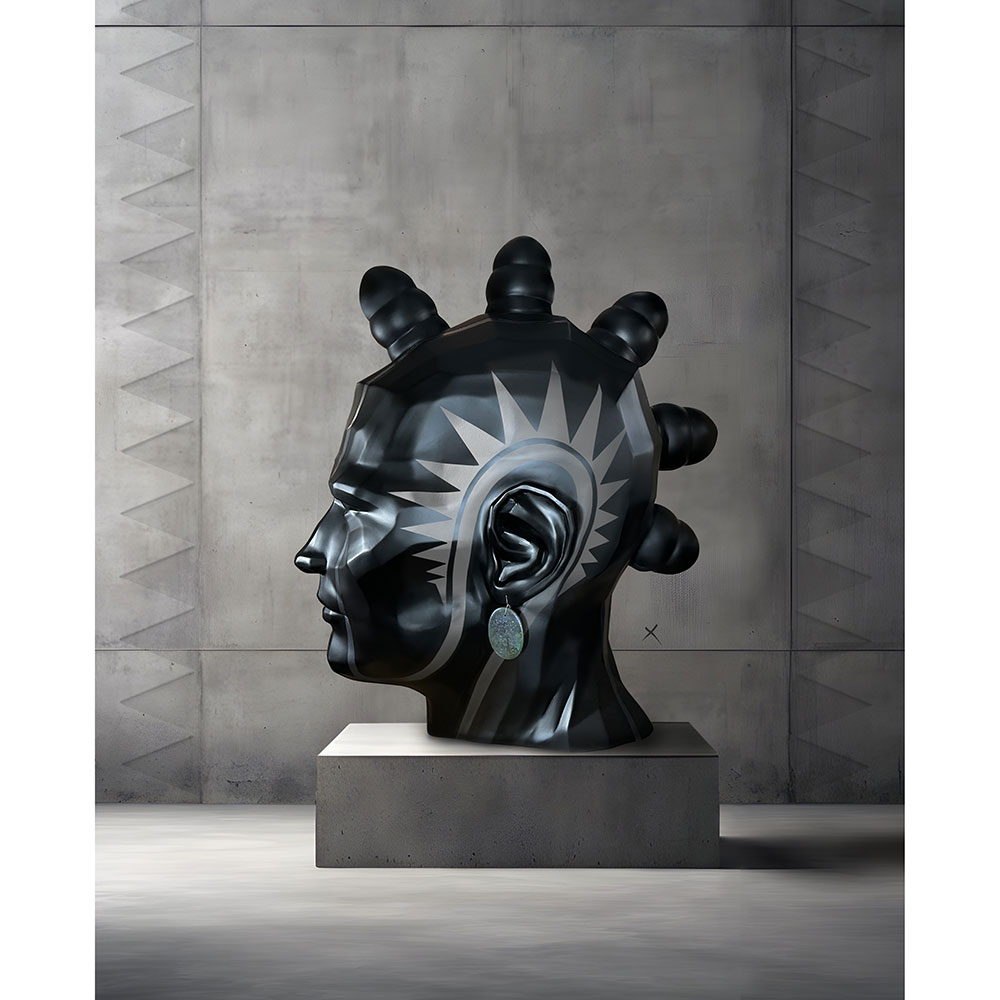
Ortiz seamlessly combines ancient and futuristic elements in his Revolt 1680/2180 series, creating a constant dialogue between the past and the future. His unique aesthetic blends traditional Pueblo pottery motifs with futuristic costumes and weapons, setting him apart in contemporary art. His figures are distinctive: regal, armored, and resolute. The futuristic aspects are rooted in the symbolism of Ortiz’s heritage, paying homage to his ancestors while presenting a bold vision of the future.
In his work, Ortiz not only pays tribute to his ancestors’ bravery but also prompts viewers to consider how Indigenous cultures might have developed and flourished without colonial interference. Ortiz’s vision goes beyond historical events. By envisioning life in the year 2180, he crafts a speculative future where Indigenous people, drawing strength from their heritage and traditions, play a central role in the cultural landscape. This futuristic narrative reimagines Indigenous identity, shifting away from the marginalized status imposed by colonization and toward a more empowered, self-determined future. Through his work, Ortiz comments on survival and adaptation, and portrays Indigenous people as active agents shaping their destiny rather than passive victims of history.
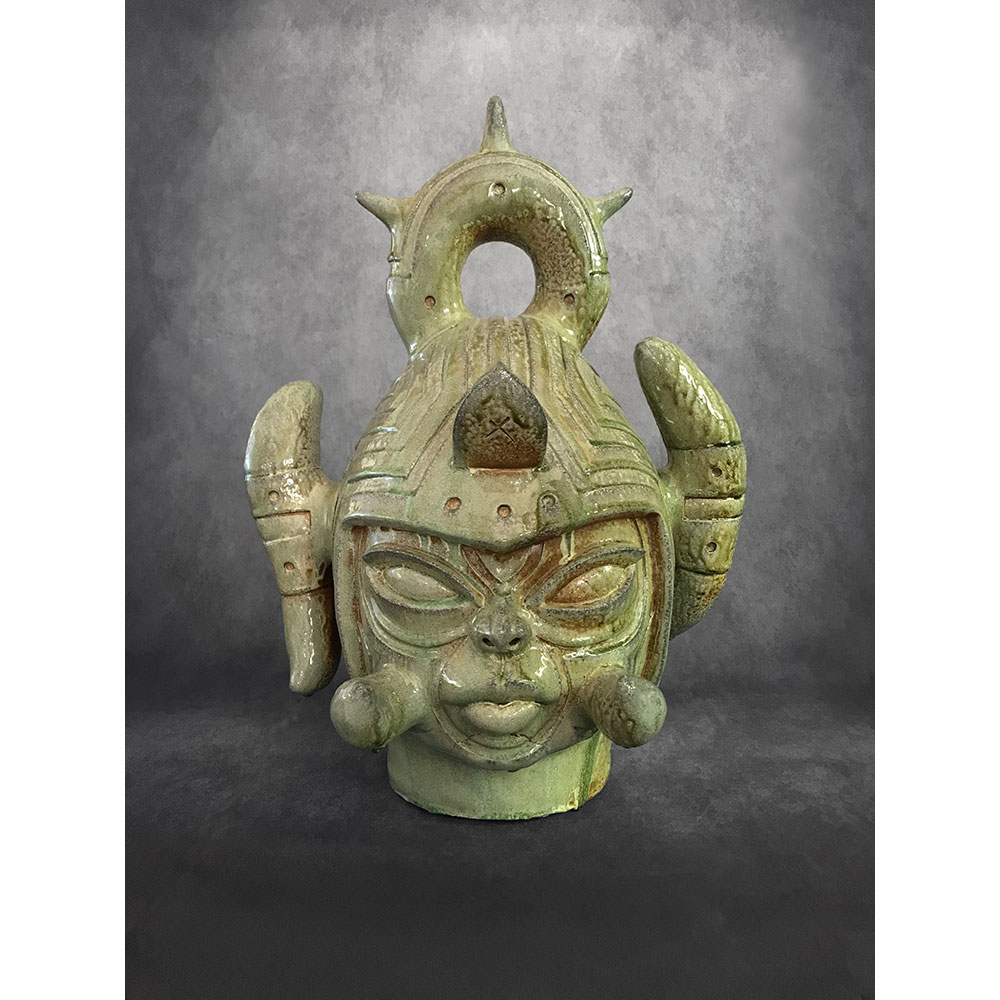
You won’t find this pivotal moment in most American history books. Still, Ortiz has made it his mission to bring it into the spotlight. “For nearly two decades, I’ve worked to create a narrative of the revolt using every medium I can,” Ortiz explains. From clay to fashion to film, he brings history alive in ways that captivate today’s generation. “I want the next generation to know our history, understand how we survived, and honor the art, traditions, and ceremonies our ancestors fought to preserve.”
The unique aspect of Revolt 1680/2180 is its fluid approach to history. Instead of viewing history as static, Ortiz presents it as dynamic and continually evolving. He emphasizes that history is not a fixed narrative but rather open to reinterpretation. By combining historic events with speculative fiction, Ortiz encourages viewers to interact with Indigenous history in a way that goes beyond traditional textbooks. This approach turns history into a living narrative relevant to present contemporary identity, survival, and resistance issues.
Tonya Turner Carroll and Dan Grigorescu, Traian’s friend, in Romania in 1992
The reimagining of Indigenous histories is essential for understanding all people. Ortiz’s work prompts us to question how history is recorded and by whom. Through his unique blend of tradition and futuristic imagination, Ortiz presents a world in which Indigenous cultures are surviving and thriving on their own terms. His work celebrates his roots and offers a visionary statement about the possibilities of cultural regeneration and resilience, and instills a sense of pride and respect for Indigenous cultures in the viewing audience.
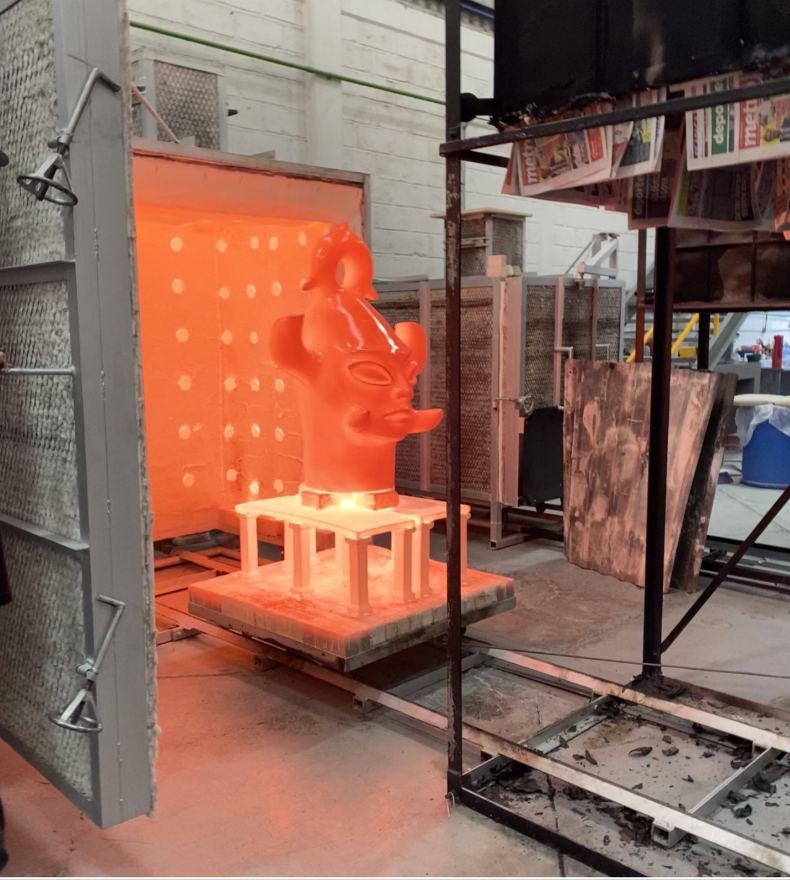
Virgil Ortiz, making of Recon Watchman, Bu’name (West), 2023, raku glazed ceramic, 44 x 35 x 26″
Ortiz was born into a family steeped in artistic tradition. His grandmother, Laurencita Herrera, and his mother, Seferina Ortiz, were revered potters who taught him the craft from a young age. “I was surrounded by artists,” Ortiz recalls. “My family didn’t push me, but they inspired me. With their support, I developed my style and storytelling through my art.”
Thank you for joining us in celebrating this revolutionary artist. Stay tuned for more updates on his latest works and upcoming events and exhibitions!
If you haven’t yet, be sure to explore Ortiz’s collection in our latest [CONTAINER] exhibition where tradition meets bold futurism in ways that will leave you inspired!