
Women’s History Month: How to Support Women Artists
In Linda Nochlin’s 1971 essay that would change feminist art history forever, she posed the question “why have there been no great women artists?” Nochlin found that women weren’t presented equal opportunities to study the arts, and those who did were refused the exhibitions and publications that lead to fame. The women that did become technical masters of their field were never recognized, and recognition begets being truly great in the annals of history.
“It was indeed institutionally made impossible for women to achieve artistic excellence, or success, on the same footing as men, no matter what the potency of their so called talent or genius”
– Linda Nochlin, Why have there been no great women artists?
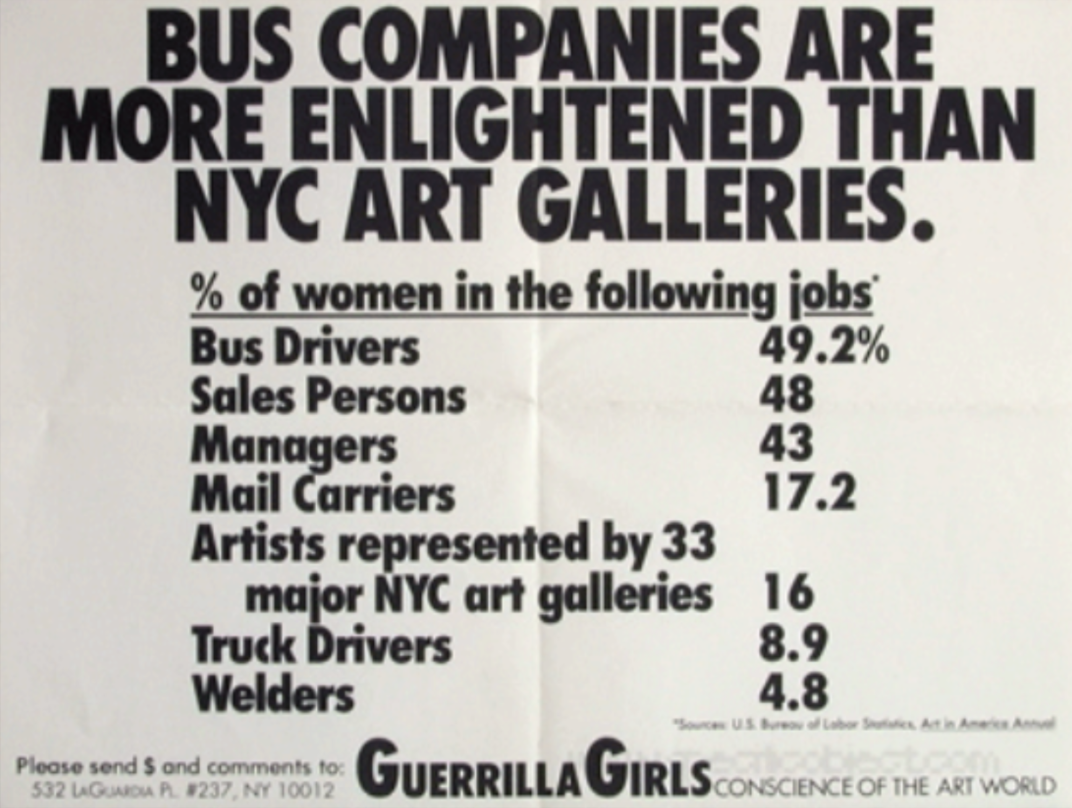
Guerrilla Girls, The Anatomically Correct Oscar Billboard, 2002; Photolithograph on paper, 11 x 17 in. (courtesy National Museum of Women in the Arts)
This women’s history month, Turner Carroll Gallery–a woman co-owned business itself–highlights the incredible contributions of women to art history, and the gallery’s own role in getting these artists the recognition and opportunities they deserve.
Since Nochlin’s essay, the art world has witnessed some incredible art by women, but statistics about the recognition of this work have improved only slightly. As the feminist art group Guerrilla Girls noted in 2002, women made up only 16% of the artists represented in major NYC galleries.
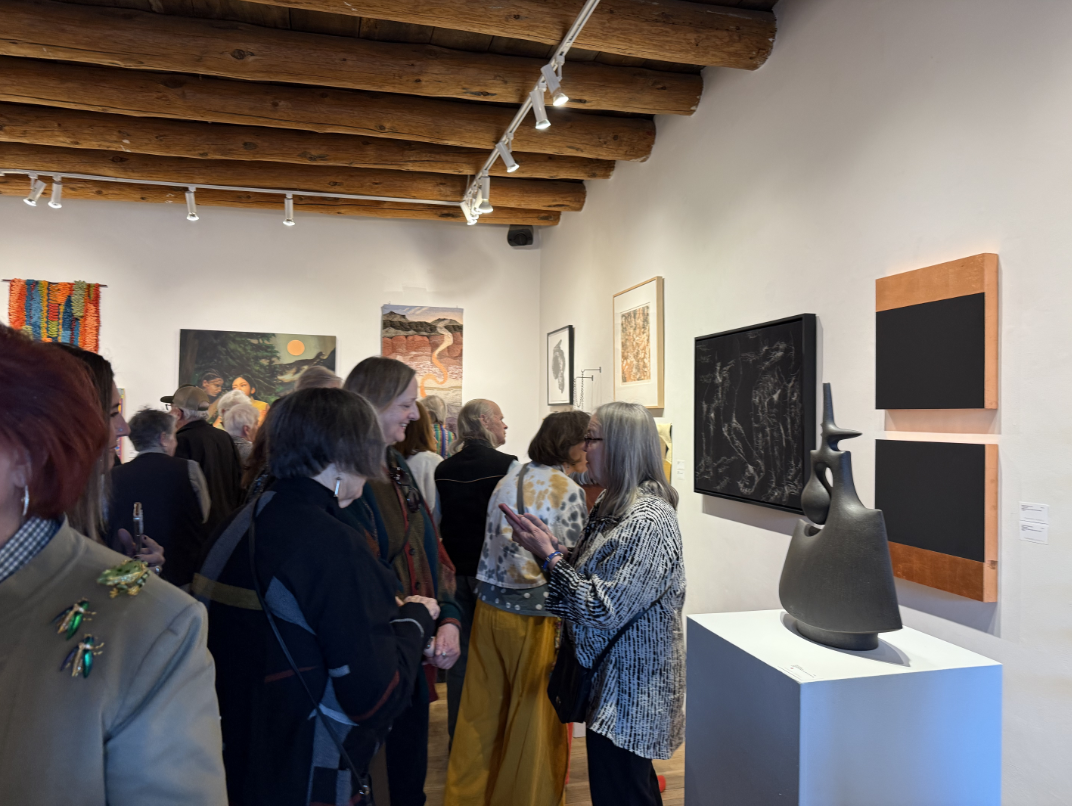
450+ attendees at the opening night of Turner Carroll and NMWA’s opening featuring New Mexican women artists
“Only 11 percent of acquisitions and 14.9 percent of exhibitions, at 31 U.S. museums between 2008 and 2020, were of work by female-identifying artists.”
These numbers mean that the art world needs to take action and support women artists. One of Turner Carroll Gallery’s biggest contributions has been our prolific placement of works by women artists in museums, which increases their acclaim and value and helps pave the way for future women artists who see success stories. It also exposes these artists to the next generation of curators.
17 of our 30 represented artists are female, or more than half. This means we are able to present a large range of extraordinary work by female artists to collectors, who in turn support these artists financially and add to their provenances, which makes them more likely to be acquired by museums and publications. Additionally, collectors often obtain works of a technical mastery comparable to male peer artists and a lower price due to the devaluation of works by female artists. Let’s make these investments in women artists pay off by helping them reach the acclaim they deserve!
Mokha Laget in Gene Davis’ studio in 1982, courtesy of American University
Other key figures included Gene Davis and Sam Gilliam. Together, they helped establish Washington DC as a major center of postwar American abstraction. Mokha Laget held the prestigious role of being Gene Davis’ studio assistant, who was a mentor in the development of her own work. Laget expanded the lineage of the Washington Color School into the 21st century, being only one of few women including Anne Truite and Alma Thomas to do so. A fantastic and important exhibition including all of these artists in the history of the Washington Color School is on display now at the Oklahoma City Museum of Art until April 12.

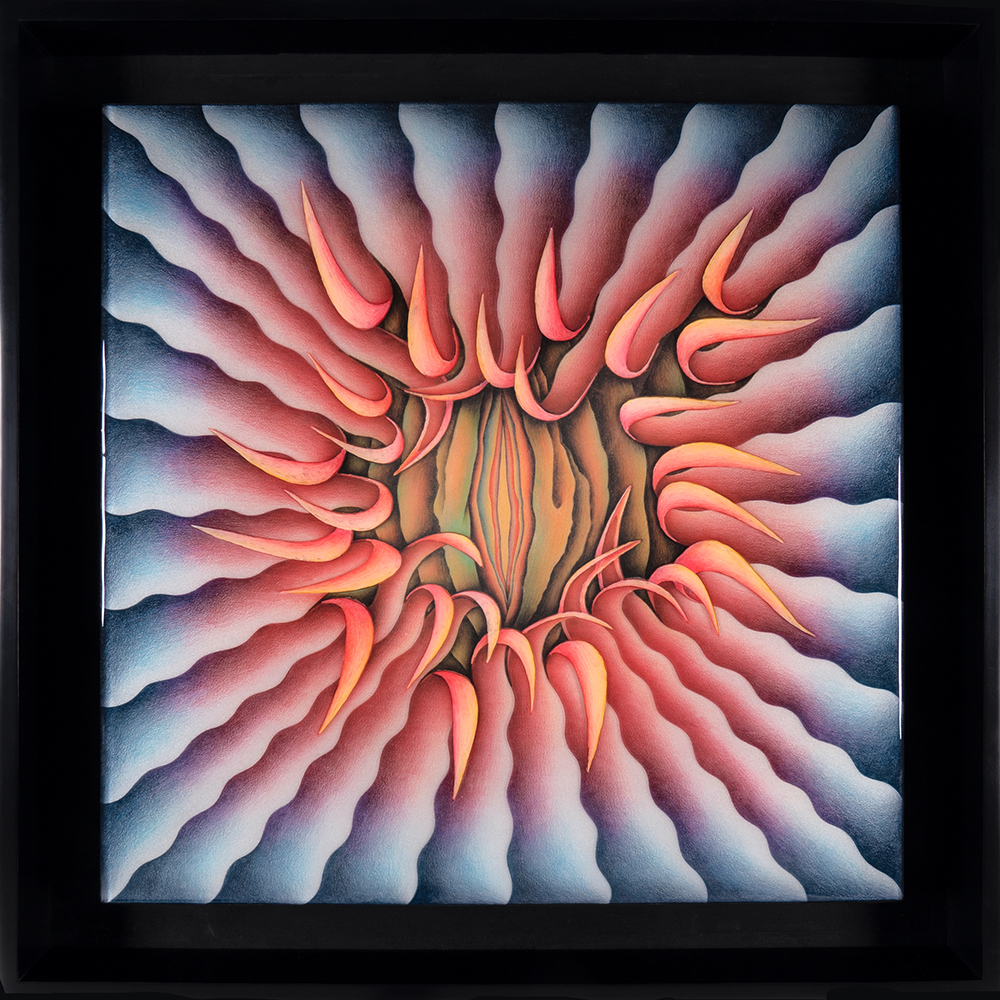
Turner Carroll worked extensively to uplift the career of star Judy Chicago. Chicago’s seminal work The Dinner Party featuring significant women of history is often cited as the feminist equivalent of the Last Supper. Turner Carroll Gallery launched surge in her career with the placement of her print archive with one of the top print collectors in the world, which shows a comprehensive view of her evolution: early, Dinner Party, Holocaust Project, Birth Project, and land art eras being some landmarks. Retrospectives at the De Young and New Museum followed. For more information, you may click here to watch the video Turner Carroll produced about Chicago’s print legacy.
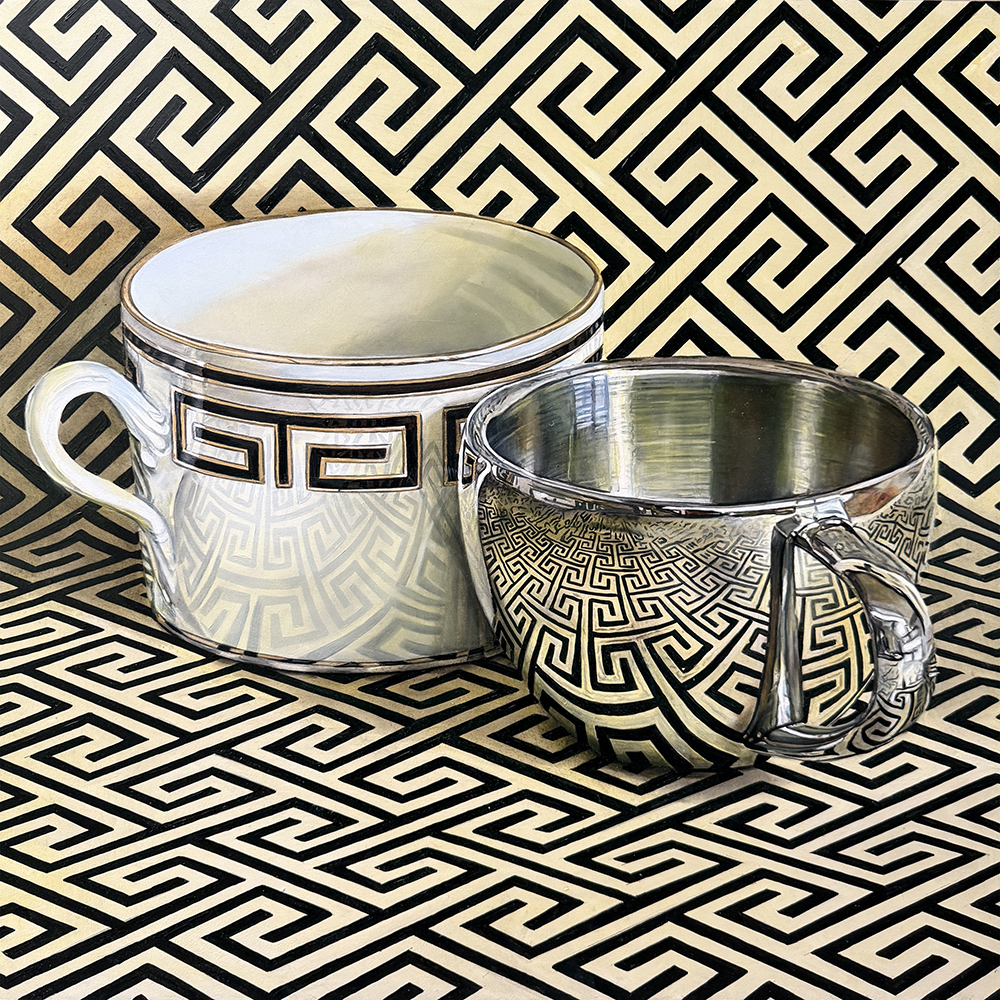
Jeanette Pasin Sloan is one of our groundbreaking women artists. She studied the greats of classical European realist painting such as Titian and Botticelli, and reached a complete mastery of their techniques–her realist still lifes and unmatched depictions of cups and other chrome household objects that bend light, pattern, and color. Turner Carroll Gallery held a solo exhibition of the artist in New Mexico for the first time ever, produced a catalog, and introduced her work to international client at art fairs.
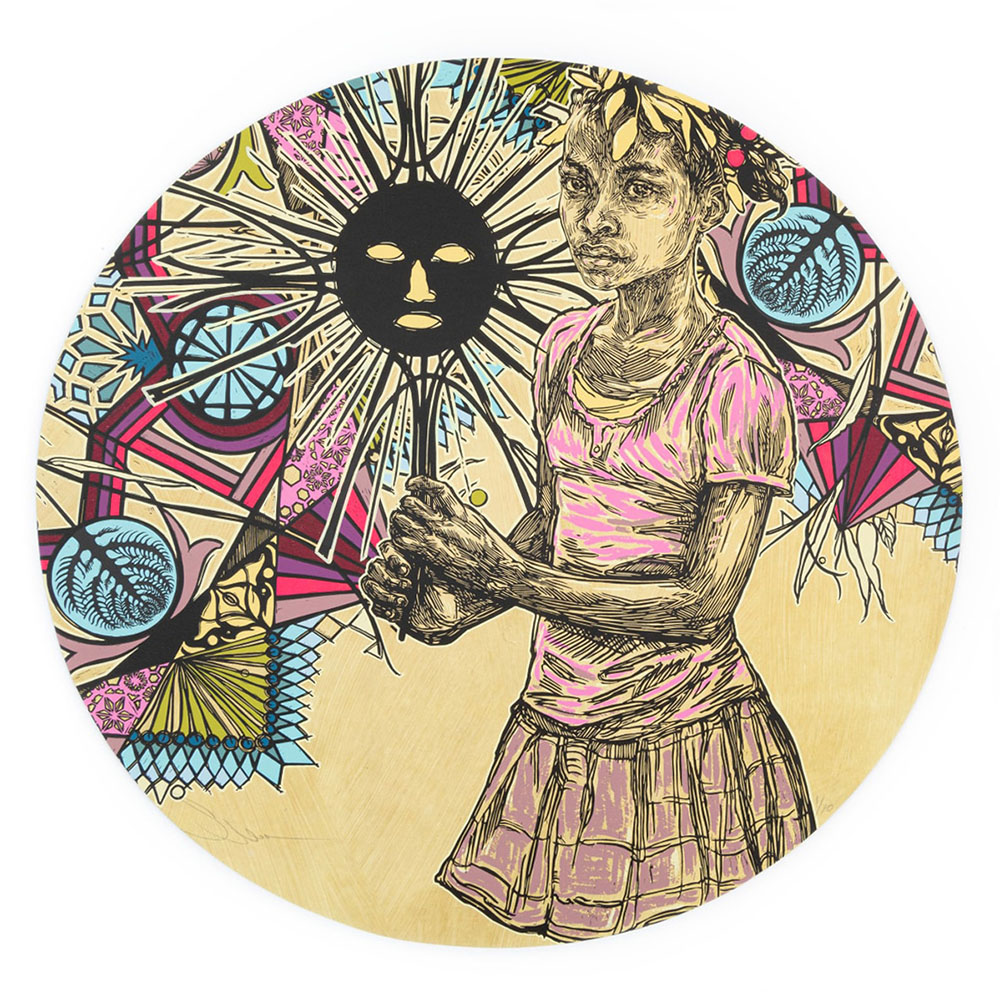
Swoon is another artist who has risen to meteoric success in the field of street art, in which the big names are almost entirely men. Her community-based, social practice artworks have become renowned through monumental projects in Venice, Bangkok, Tokyo, New York City, and more. Street art is a unique artistic space because it subverts institutions that conventionally grant artist elite titles–a place where unconventional success can flourish. Turner Carroll has supported Swoon in the fine art world by facilitating a solo exhibition in Bangkok with SAC Gallery last year, and organizing her touring retrospective which was exhibited at the Taubman Museum. We facilitated Swoon’s works being placed in the Taubman Museum, Chrysler Museum, and a soon to open contemporary museum in Chiang Mai, Thailand.
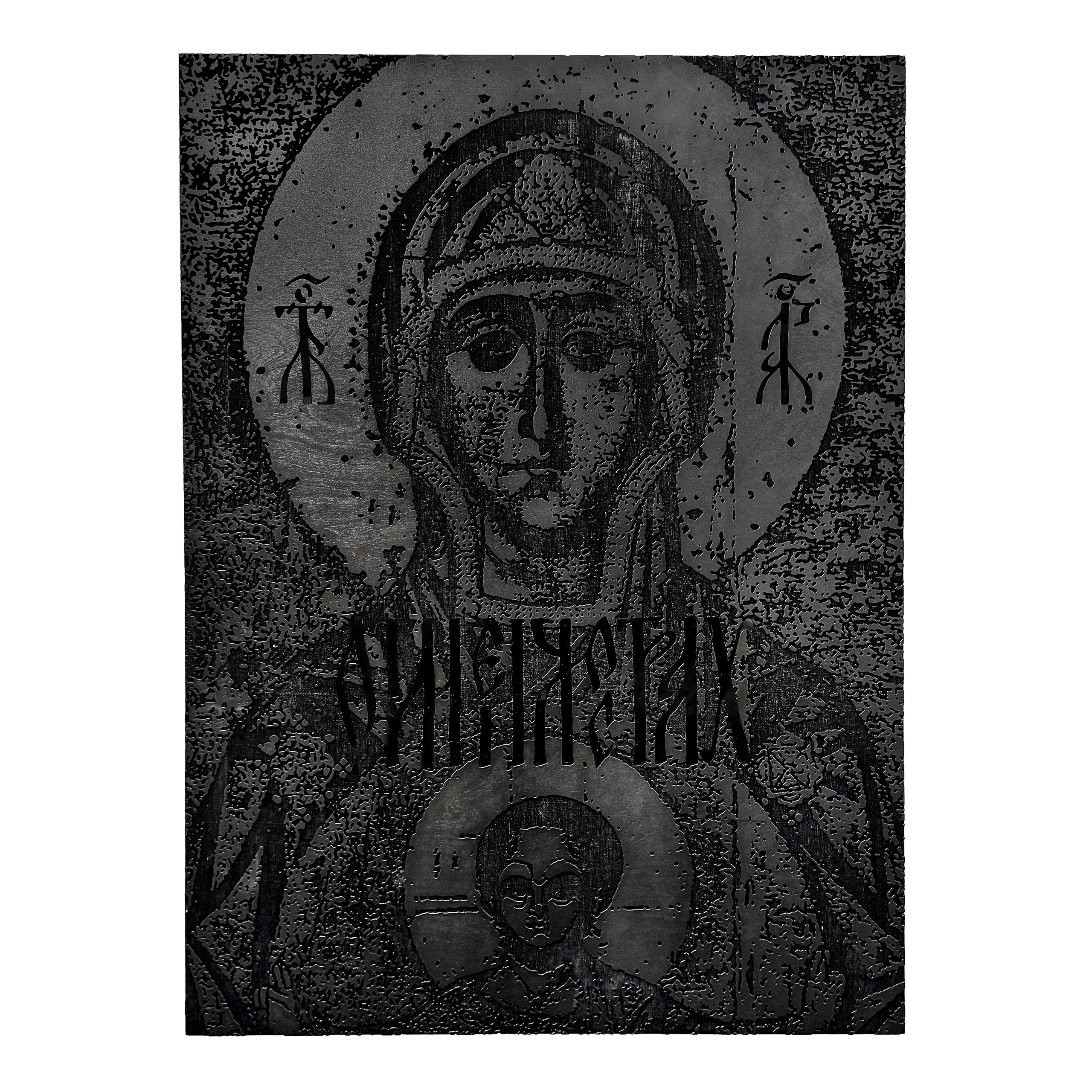
Nadya Tolokonnikova, founder of activist collective Pussy Riot, was first shown by Turner Carroll in 2023–her debut solo exhibition in the United States. Her work actively fights authoritarianism and misogyny. Tolokonnikova’s message was so powerful during her performances that Putin labeled Pussy Riot as a terrorist group–labeling an act as terrorism is a tool in authoritarianism to reduce the availability of this art to the Russian public, who would be inspired by its democratic, power-to-the-people message. Tolokonnikova was sentenced to 2 years of hard labor in Siberia after criticizing Putin, and Turner Carroll Gallery facilitated the sale of her prison-era archive to the Getty Research Institute so we will never forget how to fight back against authoritarianism. We have facilitated Tolokonnikova’s work being acquired by the Ackland Museum (NC), Taubman Museum (VA), and New Mexico Museum of Art. The Brooklyn Museum and LACMA have also added her work to their permanent collections.
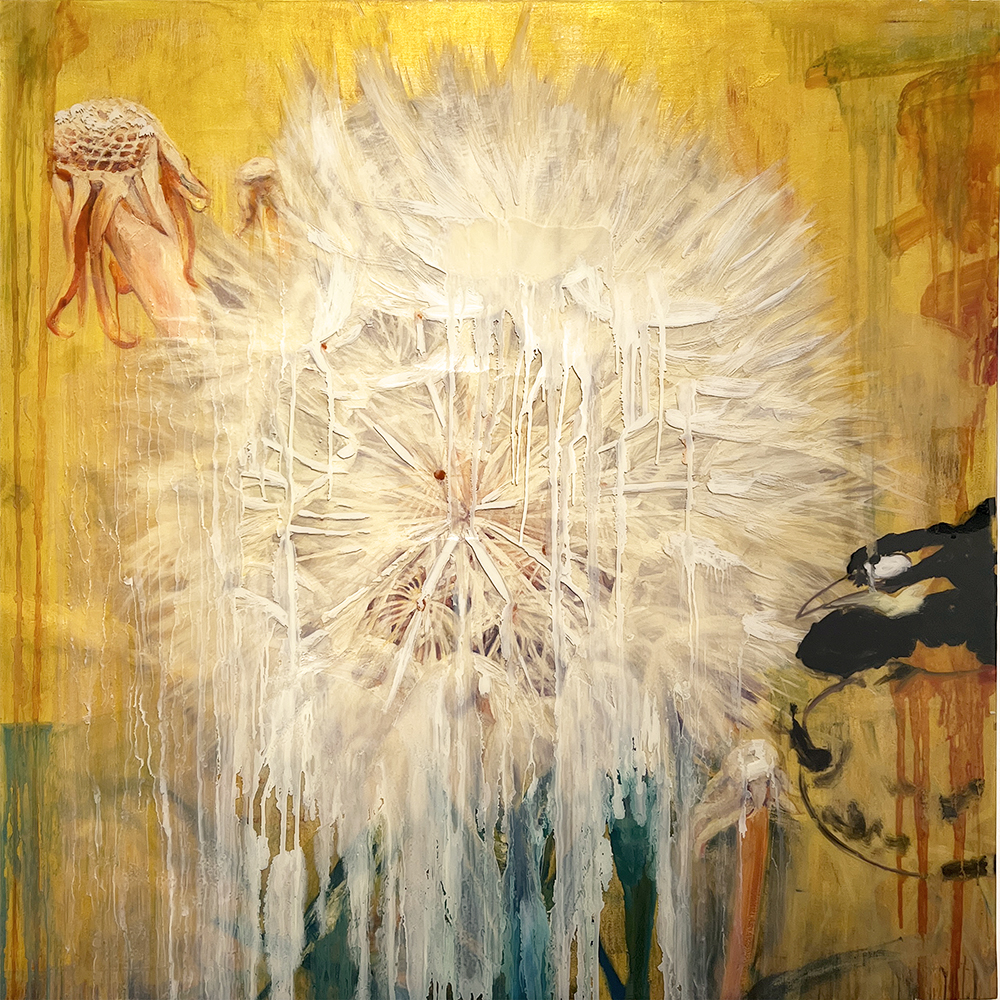
Hung Liu is another treasured woman artist who Turner Carroll represented for many years. Fleeing cultural revolution China in the 1980s and settling in San Francisco, Liu’s works depicted oppressed classes of society with dignity from forced laborers in China to Dust Bowl farmers in the US. Turner Carroll placed more of her works than any other gallery, including facilitating monumental works by Liu to be acquired by the Metropolitan, Museum of Art, Whitney Museum of Art, Nasher Museum, Williams College Museum, and Taubman Museum.
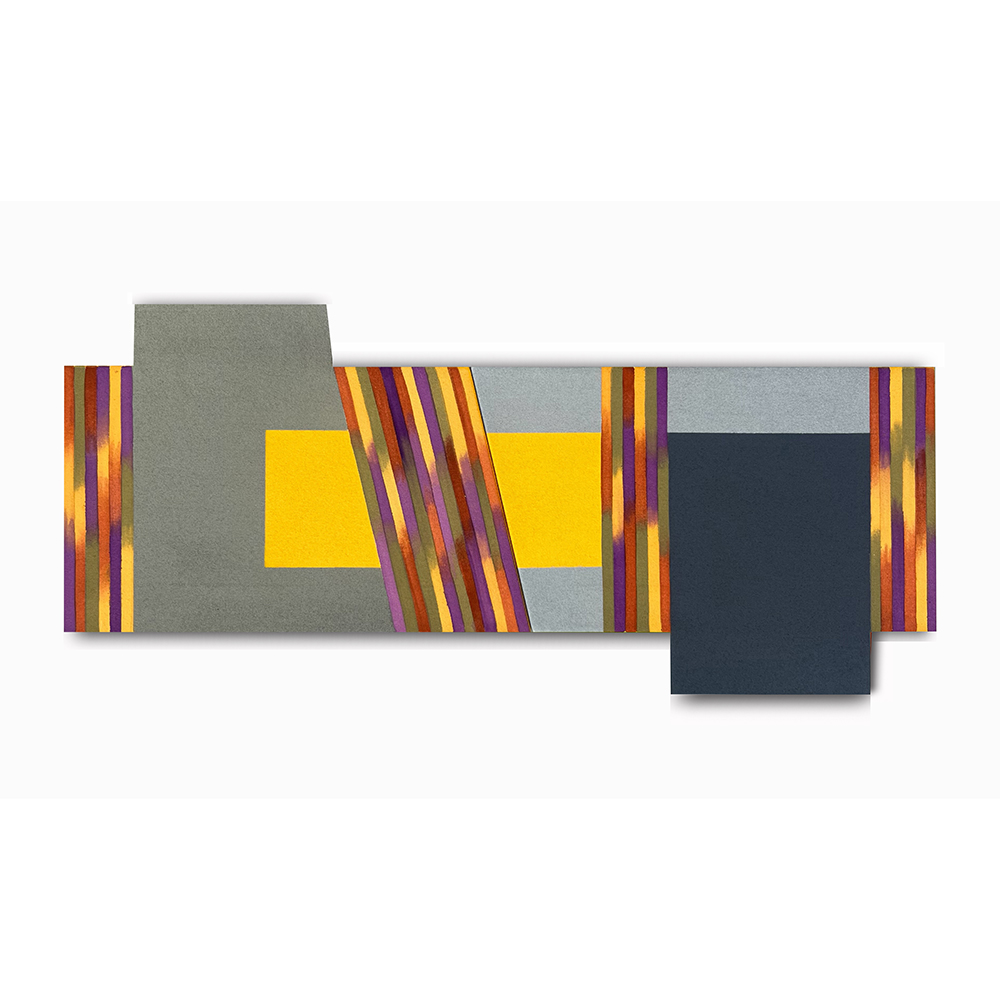
Mokha Laget is also experiencing a meteoric rise in her career right now. As part of the evolution of the Washington Color School–a colorful, abstract, minimal group of 1950s artists– and Gene Davis’ studio assistant, she stretches the idea of abstraction to its innovative limit, working with sound artists, mixing her own materials, and shaping 3D canvases. Laget’s work is currently on view at the Oklahoma City Museum of Art’s Washington Color School exhibition, which is highlighting the women who led its evolution: Mokha Laget, Anne Truitt, and Alma Thomas.

Angela Ellsworth’s work can be found throughout museums in the US, including the Smithsonian Museum of Art. Ellsworth’s work explores her personal journey with Mormonism and the beauty and pain of the bonnet–she makes her sculptures out of pearled pins as an act of generational healing for the multiple wives of her mormon prophet ancestor. Ellsworth’s work was recently featured alongside Nadya Tolokonnikova’s at an art space in Romania, which Turner Carroll Gallery connected them to via our curatorial connections. Turner Carroll loaned one of Ellsworth’s pieces to the Vladem Contemporary’s traveling exhibition, and sold the museum an additional work of hers.
In 2025, Turner Carroll Gallery collaborated with the New Mexico Chapter of Women in the Arts (NMWA) to curate a juried exhibition of 36 pieces from more than 500 entries. We fell in love with the work of three artists in this exhibition, and started representing Marietta Patricia Leis, Aleya Hoerlein, and Sharon Brush soon after. We also acquired the work of Rosemary Meza-DesPlas. More than 400 people came to the opening night, which made a powerful impact on the community and the artists’ visibility in the New Mexico–where there has always been an experimental safe haven for powerful women. We will continue this collaboration for future years.
The best way to support women in the arts is to visit galleries who feature women, collect their art, donate women artists’ art to museums, write about and publish them, and include them in high caliber curated exhibitions. We at Turner Carroll will keep doing this every day of 2026!
Author: Sophie Carroll